
If you’re considering THC vape therapy in Germany, you’re stepping into a tightly regulated medical pathway. That’s a good thing for safety and consistency, but it also means you’ll face clear rules around eligibility, prescribing, and pharmacy access.
Vape therapy sits in the middle of several debates. Some clinicians value its speed and dose control. Others prefer oral options for longer-lasting effects. Your best outcome usually comes from understanding both the benefits and the trade-offs before you talk to your doctor.
What makes a THC vape “medical” in Germany
A medical THC vape is not a consumer vape product with medical branding. In practice, “medical” usually means:
- The cannabis extract is pharmacy-sourced and documented.
- The device and cartridge pathway is built around consistent dosing.
- Access is controlled through a prescription and pharmacy dispensing.
From a pro-therapy perspective, this structure reduces contamination risk and improves predictability. From a cautious perspective, it can still feel complex because you must follow a formal process and rely on product availability through pharmacies.
Why some doctors prefer vaporization
Vaporization is often discussed as a fast-acting option. If your symptoms spike quickly, inhalation can be appealing because effects may arrive faster than with many oral products.
Common reasons vaporization is chosen
- Breakthrough symptoms: sudden pain, nausea, spasms, or acute anxiety episodes.
- Dose flexibility: you can start low, wait, then adjust under guidance.
- Avoiding combustion: many patients want an alternative to smoking.
A common limitation
If you need all-day baseline relief, a vape may not be ideal on its own. Inhaled effects can wear off sooner than oral options, which can increase dosing frequency.
Device basics and what “dose control” really means
Most medical vape systems include a battery unit, a heating element, and a cartridge connection. Some devices allow temperature settings, while others focus on fixed programs.
Your “dose control” usually comes from two places:
- Your inhalation pattern (short vs. longer draws, frequency, spacing).
- The cartridge formulation (potency and cannabinoid ratio).
That said, dose precision is not perfect. Your technique, device condition, and cartridge consistency can still introduce variability. That’s why clinician monitoring matters.
Typical formulations you may encounter
Medical cartridges are typically formulated to meet pharmaceutical handling expectations. Depending on what’s available through pharmacies, you may see options that lean toward THC-dominant, balanced THC:CBD, or other standardized profiles.
Here are common formulation goals:
| Formulation approach | Why it may be used | Common limitation |
| THC-dominant | Strong symptom suppression for certain cases | Higher risk of impairment or anxiety in sensitive users |
| Balanced THC:CBD | Smoother experience for some patients | May feel less potent for severe symptoms |
| More standardized profiles | More predictable experience | Availability may vary by pharmacy supply |
How access works through doctors and pharmacies
In Germany, you typically need a physician to prescribe cannabis therapy and justify why it’s appropriate for your condition. After that, dispensing usually happens through pharmacies that verify prescriptions and supply regulated products.
What can be frustrating (and normal)
- Some doctors remain cautious about prescribing.
- Insurance coverage may depend on your case and documentation.
- Product availability can shift, so your preferred cartridge may not always be in stock.
Where Can-Doc may fit in
If you’re using a platform like Can-Doc, the value proposition is often about structured access and verification rather than open retail browsing. You’re typically moving through a prescription-based flow, sometimes with visibility into availability through partner pharmacy networks.
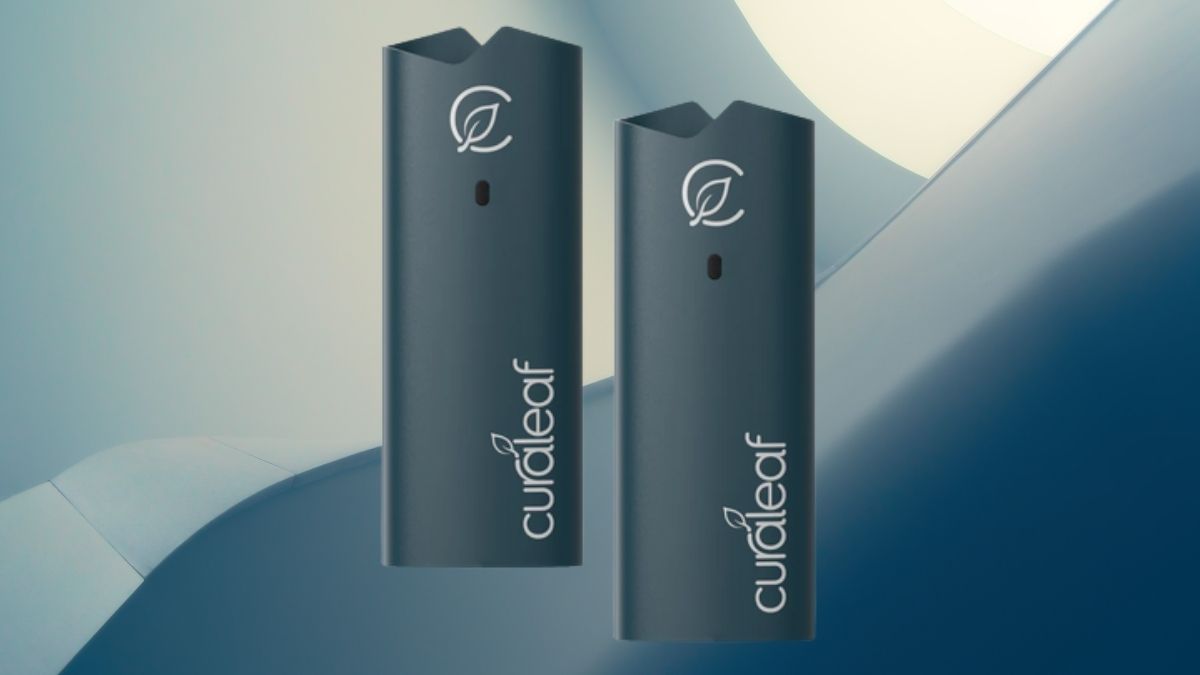
A device like the Curaleaf Que medical inhalation device may be presented as a compatible option, but you generally still need the appropriate prescribed cartridges through the regulated channel.
Multiple perspectives you should weigh
Perspective: “Vape therapy is ideal.”
This view emphasizes speed, flexibility, and lower respiratory exposure compared to combustion.
Perspective: “Oral options are safer and steadier.”
This view emphasizes longer duration, fewer dosing events per day, and simpler routines.
Perspective: “It depends on your symptom pattern.”
Many clinicians land here. You may use vaporization for flare-ups and another format for baseline control.
Objections and limitations to consider before starting
- Impairment risk: THC can affect focus and reaction time. This matters for driving and work.
- Tolerance and escalation: frequent use may require careful review to avoid creeping dose increases.
- Technique dependency: inconsistent inhalation can lead to inconsistent outcomes.
- Not for everyone: some patients dislike inhalation or have respiratory considerations.
If your goal is “fast relief with control,” vape therapy may fit. If your goal is “steady day-long coverage,” you may need a broader plan that combines approaches.