
Switching toothpaste can feel like a small decision—but it directly impacts your enamel, gum health, and long-term dental costs.
If you’ve relied on fluoride your entire life, moving to a fluoride-free formula may sound risky. You want proof, not trends.
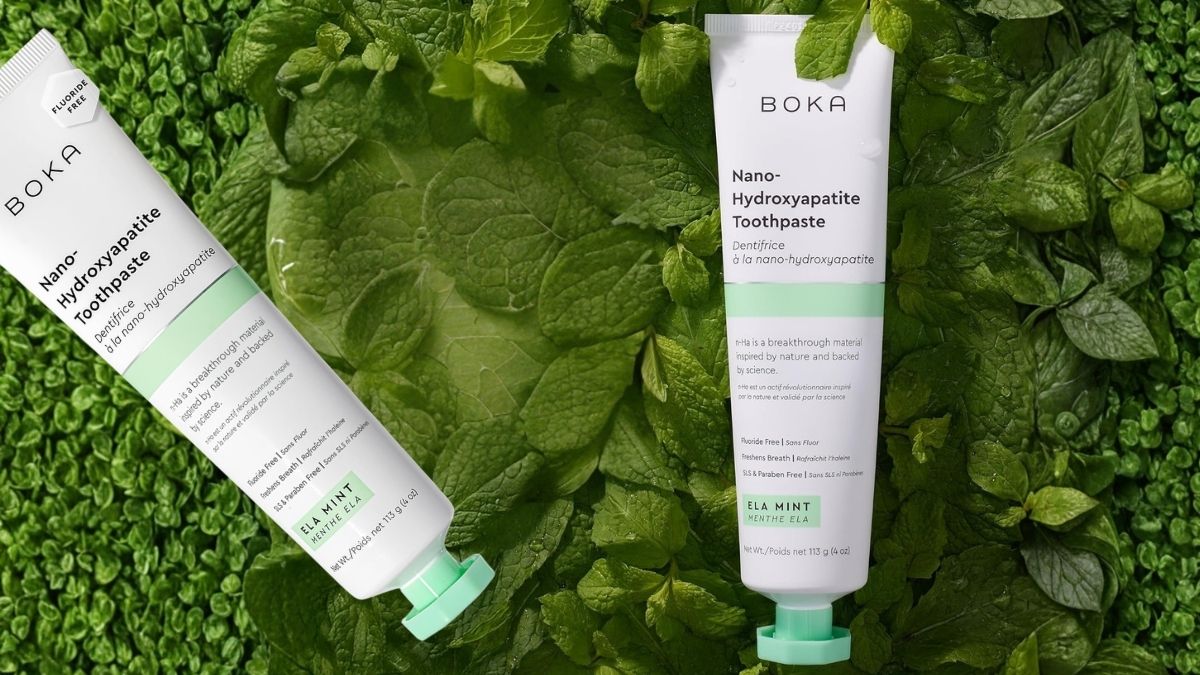
Boka’s Nano-Hydroxyapatite Toothpaste presents itself as a science-backed alternative designed to restore enamel and reduce sensitivity. The real question is: does it deliver dependable results in everyday use?
Let’s evaluate it from a practical, evidence-based perspective so you can decide confidently.
The Science Behind Nano-Hydroxyapatite
Nano-hydroxyapatite (n-HA) isn’t a marketing buzzword. It’s a synthetic form of hydroxyapatite—the mineral that makes up roughly 97% of your enamel. Because it mirrors your natural tooth structure, it can integrate directly into weakened enamel areas.
When you brush with Boka, the nano-sized particles:
- Bind to demineralized enamel
- Fill microscopic cracks and porous surfaces
- Create a smoother, more acid-resistant layer
- Help block exposed dentin tubules that cause sensitivity
Fluoride works differently. It strengthens enamel by converting it into a more acid-resistant form called fluorapatite. Nano-hydroxyapatite, on the other hand, replaces lost mineral directly. Both approaches aim to prevent cavities—but through distinct biological mechanisms.
Clinical research suggests nano-hydroxyapatite performs comparably to fluoride in remineralizing early-stage enamel damage and reducing dentinal hypersensitivity. That’s why many dental professionals now consider it a legitimate alternative—not just a “natural” option.
Ingredient Transparency: What You’re Getting
If you pay attention to ingredient labels, Boka keeps its formula intentionally simple.
Key ingredients include:
- Nano-hydroxyapatite for enamel repair
- Calcium carbonate for gentle cleaning
- Xylitol to support cavity prevention
- Aloe vera to soothe gum tissue
- Vegetable glycerin for moisture retention
- Natural mint, cardamom, and green tea extracts for flavor
Just as important is what’s excluded:
- No fluoride
- No sodium lauryl sulfate (SLS)
- No parabens
- No artificial dyes
- No synthetic sweeteners
If you’ve ever experienced irritation or canker sores from SLS-heavy toothpaste, this gentler formulation may make a noticeable difference.
What You Can Expect in Real-World Use
Switching to Boka does involve a short adjustment period.
1. Less Foam — By Design
Because it’s SLS-free, Boka doesn’t create thick foam. At first, you may associate less foam with less cleaning. In reality, foam is largely cosmetic. Proper brushing technique matters far more than bubbles.
2. Sensitivity Relief
If you struggle with temperature sensitivity, results typically appear gradually:
- Mild improvement within 5–7 days
- Noticeable reduction after two weeks
- Stronger enamel support over one to three months
Unlike potassium nitrate formulas that numb nerves, nano-hydroxyapatite works structurally by sealing exposed tubules.
3. Subtle Whitening
Boka isn’t a bleaching toothpaste. However, as enamel becomes smoother and healthier, teeth may appear brighter over time. Expect gradual, natural-looking improvement—not dramatic whitening.
Pros and Limitations: A Balanced Evaluation
Every oral care product has trade-offs. Here’s what you should consider.
Pros
- Fluoride-free but supported by scientific research
- Effective for reducing sensitivity
- Gentle and non-toxic if accidentally swallowed
- Suitable for children and pregnant women
- Free from SLS and harsh additives
- Unique, refined Ela Mint flavor
Limitations
- Costs more than typical drugstore toothpaste
- Low foam may feel unusual at first
- Not ideal as a sole defense for individuals with severe cavity risk
- Whitening effects are gradual
If you have a history of frequent cavities or high decay risk, your dentist may still recommend fluoride treatments. It’s important to match your toothpaste choice with your individual dental profile.
Cost vs. Long-Term Value
Boka is priced higher than standard fluoride toothpaste. However, prevention should be part of the equation.
Consider:
- A single dental filling can cost $150–$300
- Enamel support may reduce future restorative work
- One tube typically lasts 6–8 weeks for one adult
When you calculate daily cost, it often amounts to just a few cents more per day than conventional options. For many households, that’s a reasonable investment in preventative care.
Who Should Consider Boka
You may find Boka especially beneficial if you:
- Experience tooth sensitivity
- Prefer fluoride-free oral care
- Have children who may swallow toothpaste
- Wear braces and want enamel protection around brackets
- React negatively to SLS-based formulas
- Want a cleaner ingredient profile
It’s particularly appealing for families seeking a safer, non-toxic brushing solution.
Is Boka Worth Trying
If you’re looking for a fluoride-free toothpaste grounded in legitimate dental science—not just wellness trends—Boka stands out as a credible option. Its nano-hydroxyapatite formula offers meaningful enamel support and sensitivity relief while maintaining a clean ingredient profile.
It’s not a miracle whitener, and it may not replace fluoride for high-risk cavity patients. But for everyday preventative care with strong scientific backing, it’s a thoughtful upgrade to your routine.
Before you purchase, explore Amazon Best Sellers to compare top-rated oral care products and discover more thoughtful gift ideas for family and friends. Sometimes improving your health starts with something as simple—and powerful—as your toothpaste choice.