
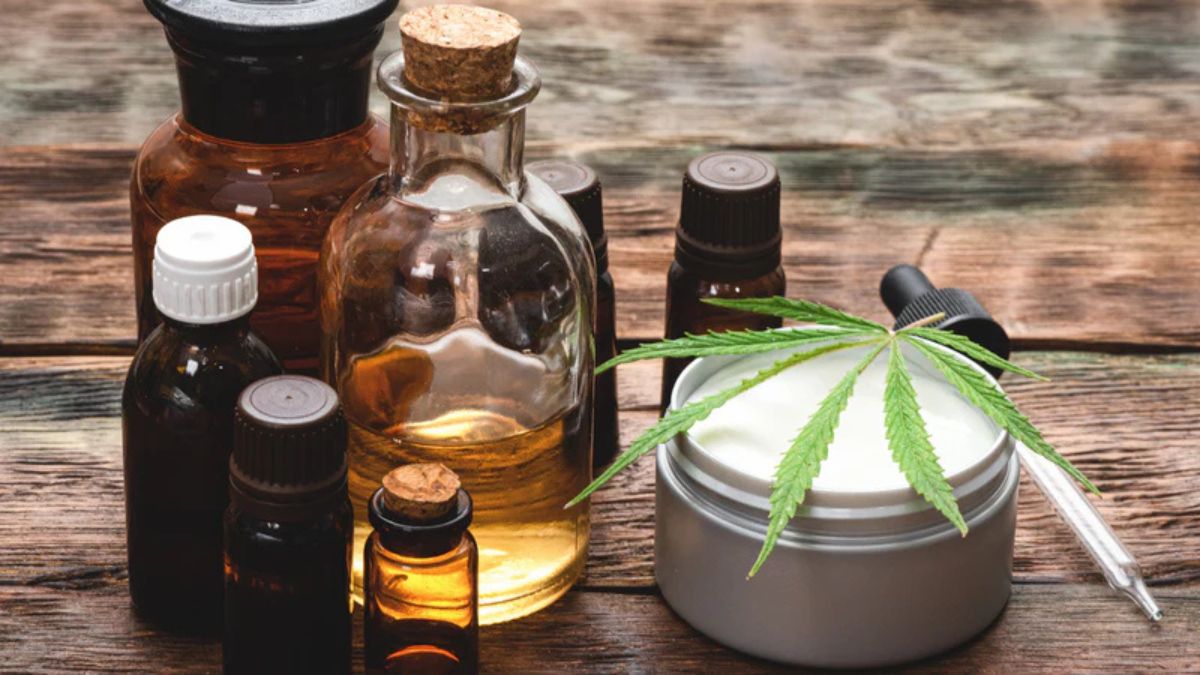
CBD, short for cannabidiol, is a naturally occurring compound found in hemp plants. Hemp is a variety of cannabis that contains very low levels of THC.
Unlike THC (tetrahydrocannabinol), CBD does not produce intoxicating effects. It does not cause a “high” or alter perception. That distinction is one of the main reasons CBD has become widely discussed in wellness spaces.
Today, CBD appears in oils, capsules, skincare products, and more. Its popularity is tied to growing interest in plant-based wellness and balanced lifestyle support.
How CBD Works in the Body
CBD interacts with the endocannabinoid system (ECS). The ECS is a complex cell-signaling system involved in regulating several internal processes, including:
- Stress response
- Mood balance
- Sleep cycles
- Pain perception
- Immune function
The body naturally produces endocannabinoids. These compounds bind to receptors (CB1 and CB2) throughout the nervous and immune systems.
THC binds directly to these receptors. CBD works differently. It influences receptor activity indirectly and may help support balance, also known as homeostasis.
Research is ongoing, and scientists are still studying the full scope of CBD’s mechanisms.
Types of CBD Products
CBD is available in several formats. Each method affects how quickly it works and how long the effects may last.
CBD Oils & Tinctures
Taken under the tongue (sublingually), oils and tinctures absorb relatively quickly into the bloodstream. They allow flexible dosing, which appeals to users who want more control over serving size.
Capsules & Edibles
Capsules, gummies, and other edibles offer pre-measured servings.
They are discreet and easy to incorporate into daily routines. Effects may take longer to appear because they pass through the digestive system.
Topicals
Creams, balms, and lotions are applied directly to the skin. They are commonly used for targeted support in specific areas such as joints or muscles.
Vapes & Liquids
Inhaled CBD enters the bloodstream quickly through the lungs. This method produces faster effects but may not be suitable for everyone. The right format depends on personal preference, lifestyle, and intended use.
Potential Benefits of CBD
Interest in CBD is largely driven by reported wellness benefits. While research continues to evolve, commonly discussed areas include:
Stress and Relaxation
Some users report feeling calmer after incorporating CBD into their routines. Early studies suggest CBD may support healthy stress responses.
Sleep Support
CBD is sometimes used to promote more consistent sleep cycles. Research is still developing, but some findings suggest it may help with sleep-related concerns.
Pain and Inflammation
CBD is often explored for its potential role in managing discomfort and inflammatory responses. Its interaction with the ECS may play a part in how the body processes pain signals.
General Wellness
Many people use CBD as part of a broader health approach that includes diet, exercise, and mindfulness practices. It is important to note that most CBD products are not approved as medical treatments for specific conditions. Evidence varies depending on the application and dosage.
CBD vs. THC: What Sets Them Apart?
Both CBD and THC come from cannabis plants, but their effects differ significantly.
Psychoactive Properties
CBD is non-psychoactive. It does not produce intoxication. THC is psychoactive and responsible for the “high” associated with cannabis.
Legal Distinction
Legally available CBD products typically contain only trace amounts of THC, within regulated limits. These limits vary by country and region. The low THC content allows CBD to remain non-intoxicating while complying with local laws.
Legal and Safety Considerations
CBD laws vary globally. In many regions, hemp-derived CBD with low THC content is legal. However, regulations continue to evolve. Always verify current laws in your area before purchasing or traveling with CBD products.
Safety Profile
CBD is generally considered well tolerated. Some reported side effects include:
- Fatigue
- Dry mouth
- Changes in appetite
- Digestive discomfort
CBD may also interact with certain medications. Consulting a qualified healthcare professional before starting CBD is especially important if you:
- Are pregnant or nursing
- Have a medical condition
- Take prescription medications
Product quality also matters. Look for third-party lab testing to confirm potency and screen for contaminants such as heavy metals or residual solvents.
A Balanced Perspective on CBD
CBD sits at the intersection of plant science and modern wellness trends. Interest continues to grow, but research is still expanding.
Understanding how it works, what it may support, and how to use it responsibly helps you make informed decisions. CBD is not a universal solution, but for some individuals, it may play a role in a broader health strategy.