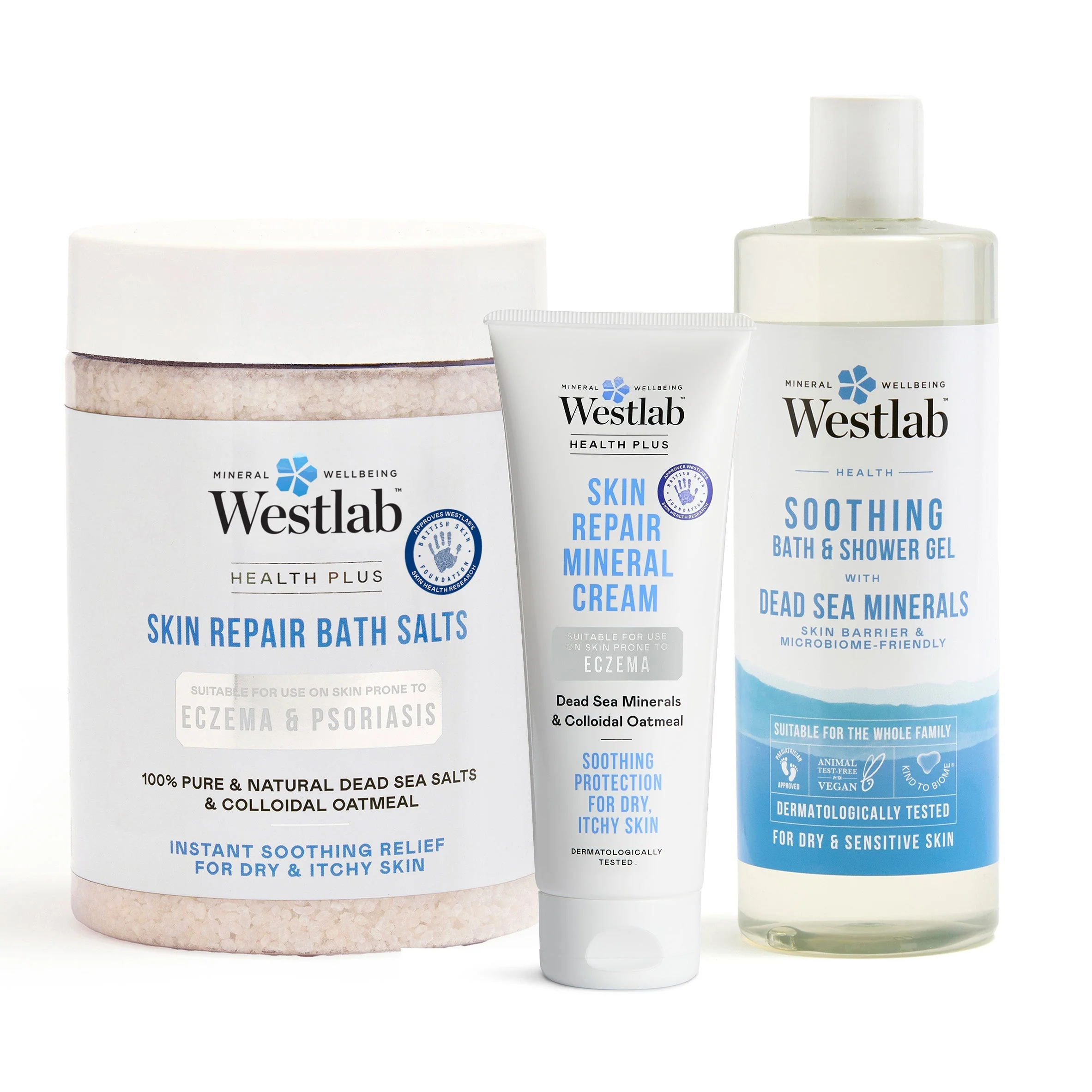

When your skin barrier is cranky — tightness after showering, flaky patches, that telltale “itchy-scratchy” cycle — every product decision suddenly matters. Harsh cleansers strip. Fragrance stings. Heavy creams suffocate. In this article, we’ll build a calm, low-friction routine that dials down irritation and supports recovery, using the Westlabsalts Skin Repair collection as a simple, mineral-rich foundation for bath, cleanse, and moisturise steps you’ll actually stick to.
Why Your Barrier Is Struggling (and How to Help It Rebound)
Your outermost skin layer (the stratum corneum) is a brick-and-mortar structure: skin cells are the bricks; lipids (ceramides, cholesterol, fatty acids) are the mortar. Cold air, hot showers, surfactants, and over-exfoliating dissolve that mortar, creating tiny “leaks.” Result: water escapes (transepidermal water loss goes up), irritants enter, and you feel rough, tight, and itchy.
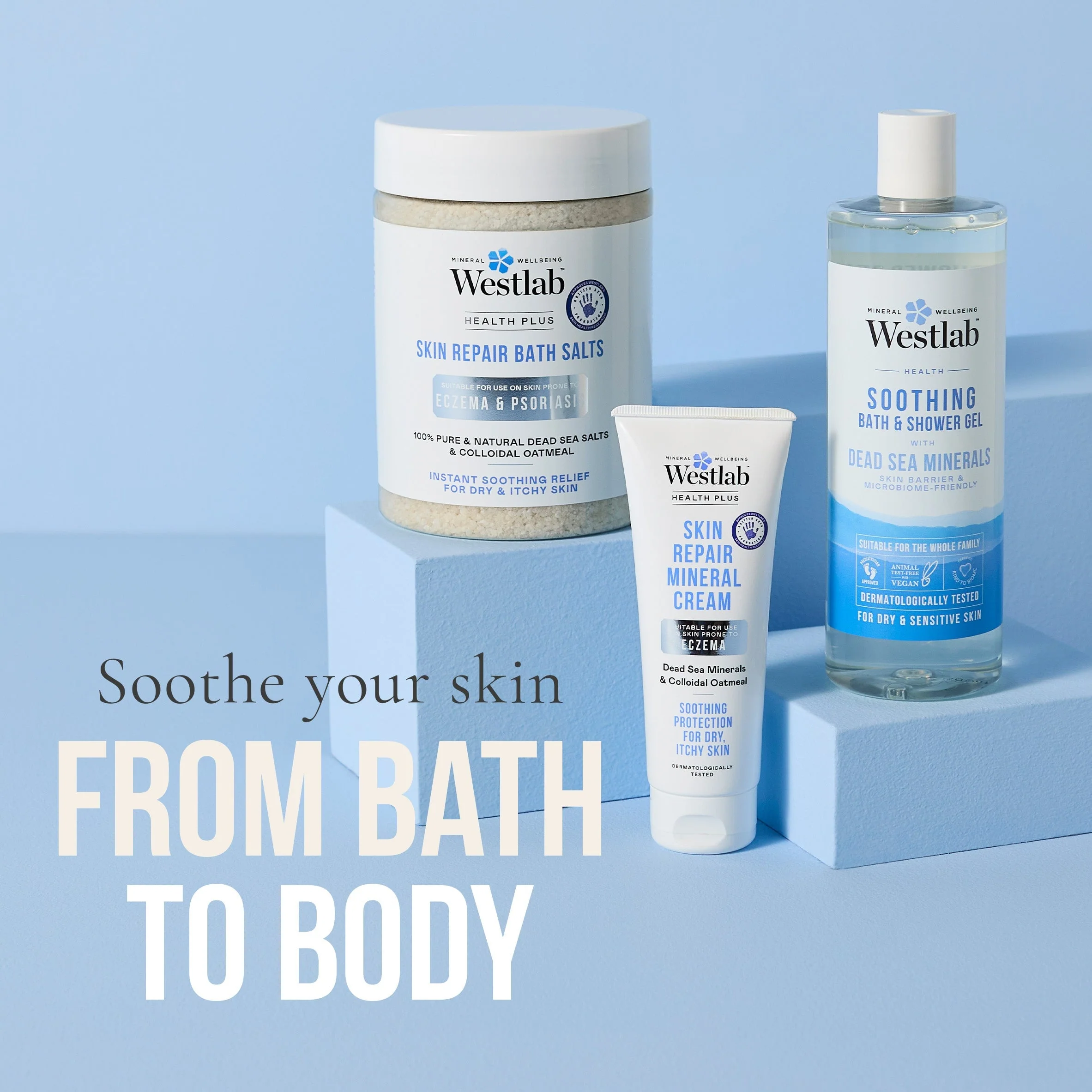
A repair routine should therefore be boring (that’s good): fewer steps, gentler formulas, and textures that respect the balance between hydration (water) and occlusion (oil). The Westlabsalts Skin Repair lineup centers on mineral baths and gentle body care to reset skin comfort without the fragrance or dye frills that can poke an already-sensitive barrier.
The Three-Step Nightly Reset (Bath/Cleanse → Treat → Seal)
1) Mineral Bath or Soak: Soothe First, Then Moisturise
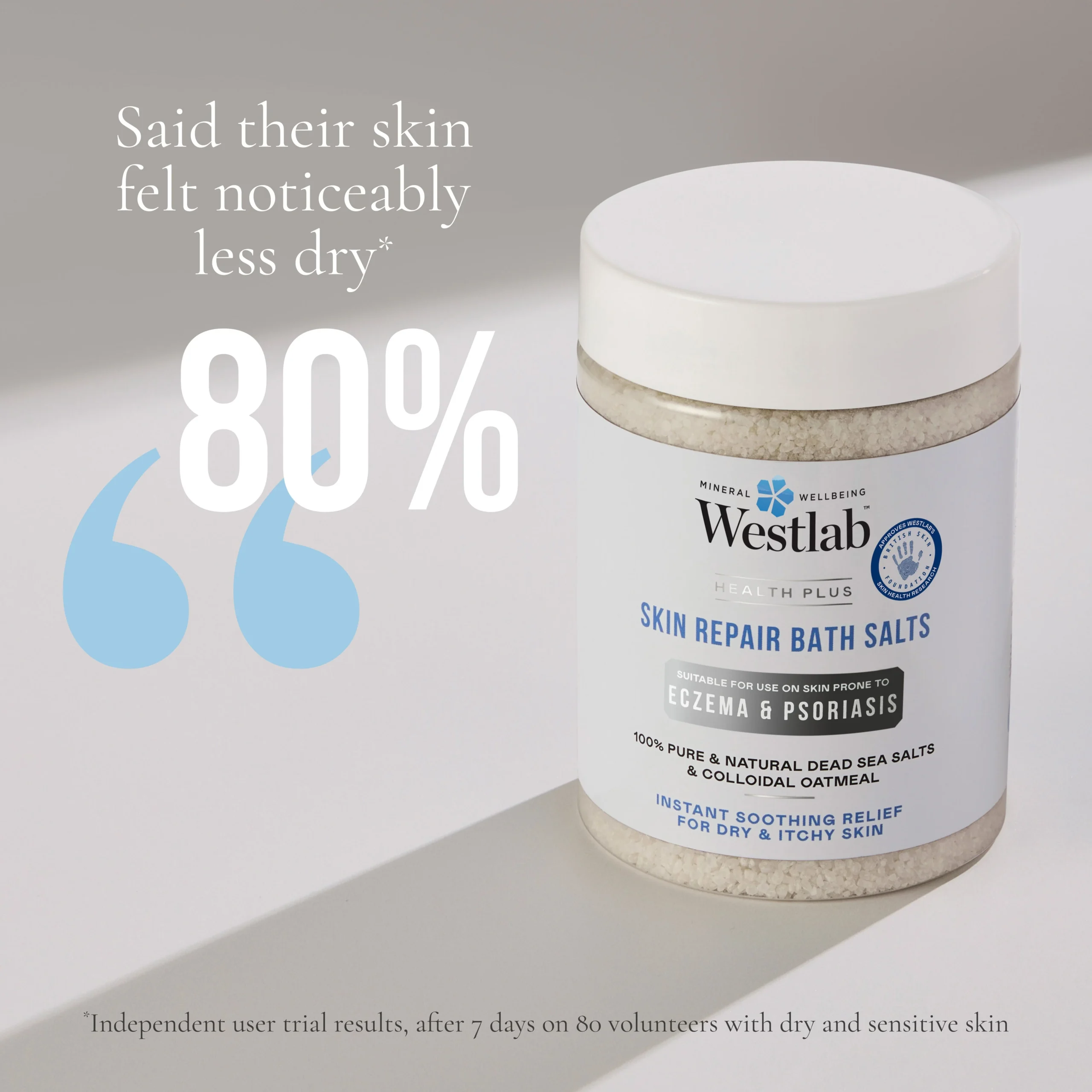
Start with warmth (not hot) to relax skin and lift surface debris without stripping. A mineral soak is a smart first move for dry, sensitive or post-flare skin: it softens the upper layers so emollients sink in better later. The Westlabsalts Skin Repair bath step is designed to comfort tight, itchy skin and prep it for moisturiser, making everything that follows feel more effective.
2) Targeted Treatment: Hydrate
After the bath or a short, lukewarm shower, pat — don’t rub — until skin is damp, not dripping. Follow with a humectant-rich lotion or gel to pull water into the top layers. If you’re layering products, keep it simple: one water-based hydrator is enough.
3) Seal With Emollients + Occlusives
Lock hydration in with a fragrance-free cream or balm. Look for ceramides, cholesterol, and fatty acids to mimic skin’s own “mortar,” plus occlusives like petrolatum or shea to slow down water loss. For daytime, choose a lighter texture; at night (or on shins/elbows), go richer.
Bath Smarts: How to Soak Without Stripping
- Water temperature: Aim for warm (about 37–39°C). Hot water dissolves lipids and spikes itch later.
- Time limit: 10–15 minutes is the sweet spot: enough to soften; not long enough to prune and dehydrate.
- Patience > scrubbing: Let the soak do the work. Aggressive exfoliation shreds fragile skin.
- Post-bath timing: Apply your moisturiser within 3 minutes (the “damp-down” rule) to trap water where it belongs.
The ethos behind the Westlabsalts Skin Repair soak step is to make moisturising easier and more effective — your lotion spreads further on softened, hydrated skin, and you’ll use less elbow grease on sore areas.
Morning vs. Night: Split Your Effort Wisely
- Morning: Quick lukewarm rinse (or skip shower if you bathed at night), light lotion on damp skin, SPF on exposed areas. Keep it minimal to avoid mid-day itch.
- Night: Bath/soak or short shower, hydration layer, then a richer cream or balm. Nights are for repair — no sunscreen, no makeup, just barrier work.
The “Zone Strategy” for Real Bodies (Not Airbrushed Ones)
Your forearms, shins, and upper back don’t behave the same. Treat them accordingly:
- Shins & knees: Lowest oil gland density — go richer at night.
- Inner arms & thighs: Prone to friction — stick to fragrance-free, non-sting formulas.
- Hands & cuticles: Wash-exposed; keep a pocket balm and reapply after each wash.
- Neck & chest: Thinner skin; test new products here last and go lighter.
The modular nature of the Westlabsalts Skin Repair routine makes this easy: mineral soak first when needed, then vary cream thickness by zone.
Itch Management: Practical Moves That Actually Help
- Keep nails short and consider cotton gloves at night to discourage scratching in your sleep.
- Cool compresses beat hot water for sudden itch spikes.
- Clothing check: Swap scratchy wool at the base layer for cotton or modal; use fragrance-free detergent and skip fabric softener (often a hidden irritant).
- Shower discipline: Max once daily; add a brief rinse after workouts only.
- Stress buffer: Mindfulness, slow breathing, or a warm soak can blunt the itch–scratch–stress loop.
Ingredients to Seek — and Those to Park for Now
Green-light (barrier-friendly)
- Ceramides & cholesterol: Rebuild “mortar.”
- Fatty acids & triglycerides: Emollient slip without sting.
- Glycerin & hyaluronic acid: Humectants that hydrate when applied to damp skin.
- Colloidal oat, panthenol, allantoin: Soothers for red, reactive days.
The Westlabsalts Skin Repair bath step is designed to complement these ingredients by softening skin so humectants and emollients can do their jobs better.
Yellow-light (use gently, later)
- Acids (AHA/BHA), retinoids, peels: Helpful tools, but reintroduce after comfort and flaking settle. Start low and go slow.
Red-light (avoid in flares)
- Fragrance, high alcohol content, strong essential oils in leave-on products — they can spike itch on compromised skin.
Post-Shave, Post-Swim, Post-Winter: Seasonal Tactics
- After shaving: Shave at the end of a bath or shower when hair is soft, use a slick, non-foaming cream, and seal with a bland balm.
- After pool days: Quick fresh-water rinse, then moisturise on damp skin. Chlorine is a lipid thief.
- Winter routine: Dial down water temp and switch to a richer night cream. Add a humidifier where you sleep to reduce overnight water loss.
How to Tell Your Routine Is Working (Without a Microscope)
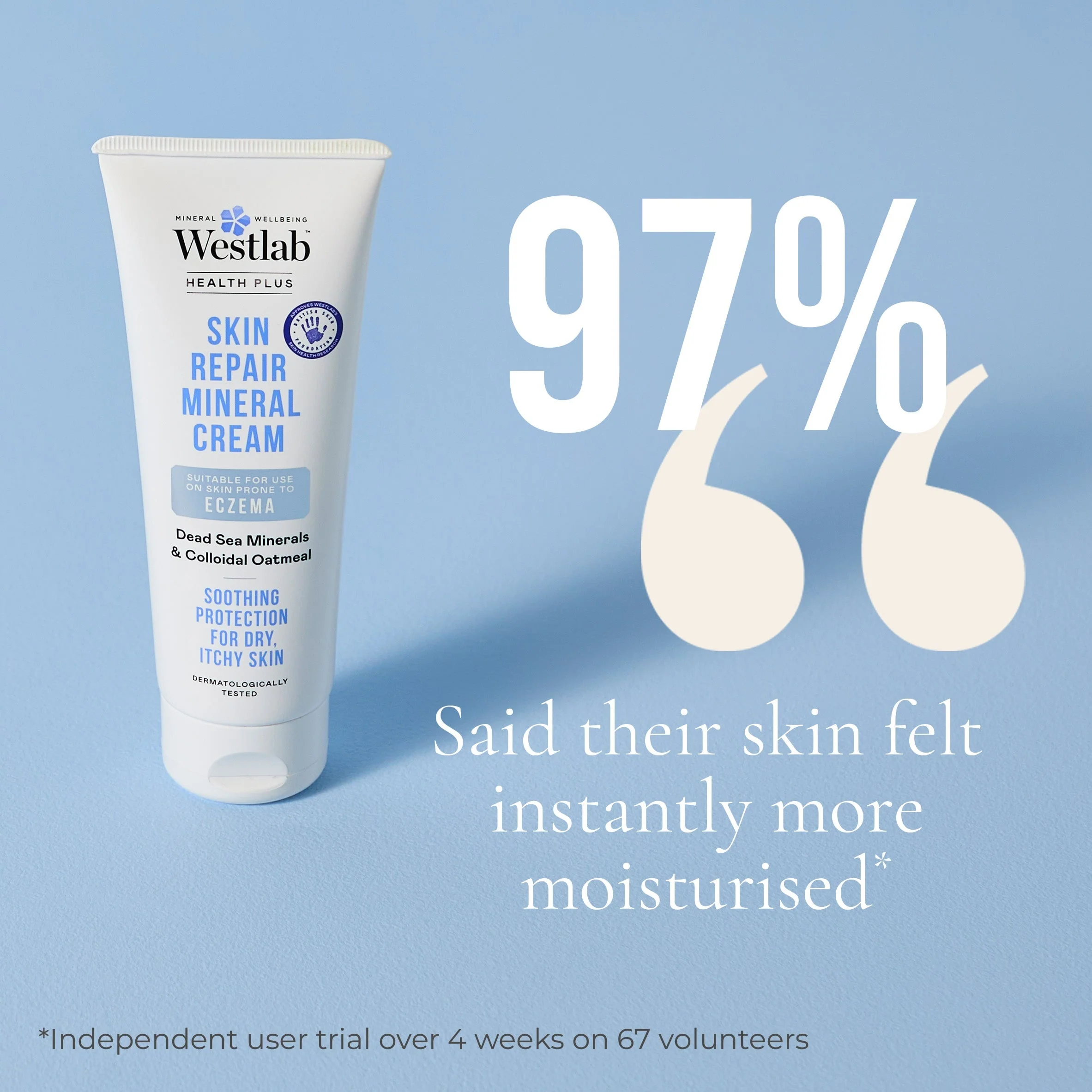
- Time-to-comfort: Less post-shower tightness within a week.
- Flake behavior: Flakes lie flat or vanish; no “snow” when you change clothes.
- Itch frequency: Fewer scratch episodes, especially at night.
- Product tolerance: Hydrators no longer tingle; richer creams don’t “sit” on top.
- Makeup/cloth drape: Fabrics glide; makeup sits smoother over arms/chest if you wear it there.
Minimalist Body Routine (One Shelf, Real Results)
- Soak or shower: 10–15 minutes, warm.
- Damp-down: Pat skin so it’s still slightly moist.
- Hydrate: One humectant-rich lotion.
- Seal: Cream or balm; thicker at night and on shins/elbows.
- Hands: Reapply throughout the day (especially after washing).
- SPF: On exposed areas in daylight.
That is the playbook. The Westlabsalts Skin Repair collection gives you the soothing “Step 0” (a calm-down soak) so Steps 3–4 feel instantly more effective.
“But I’m Busy” — The 90-Second Routine
- Shower only (no bath): Keep it short, lukewarm.
- Towel off quickly until skin is damp.
- Pump, pump, swipe: One pass of lotion over legs/arms, then a dab of richer cream on elbows and shins.
- Hand cream in bag: Top up after every wash.
You’ve just done barrier care in less time than doom-scrolling.
Frequently Missed Mistakes (and Easy Fixes)
- Over-cleansing: If your product foams like kitchen soap, it’s probably too strong. Use a mild, low-foam or syndet wash on “sweaty bits” only.
- Drying fully before moisturising: Apply on damp skin — water is the star ingredient you’re sealing in.
- Fragrance creep: “Unscented” can still contain masking fragrance. Look for fragrance-free on the label.
- Rough towels: Pat, don’t rub; consider a softer weave or old cotton tee for the most reactive days.
For Little Ones and Older Skin
- Kids: Keep baths short and lukewarm; a simple mineral soak can calm fussy skin. Moisturise right after.
- Mature skin: Natural lipid production drops with age. Prioritise richer night creams and don’t fear occlusives on the driest zones.
When to Call a Professional
If you notice weeping, crusting, intense redness that doesn’t settle, or symptoms spreading quickly, check in with a healthcare provider or dermatologist. Over-the-counter routines (including Westlabsalts Skin Repair) are great for maintenance and mild flares, but severe or infected eczema/dermatitis needs medical input.
Sustainability & Simplicity (Fewer Bottles, Better Use)
Barrier-first routines naturally reduce clutter: when you pick a dependable soak and one or two fragrance-free leave-ons, you stop cycling through “hopeful” products. Finish what you open, and recycle containers where possible.
Conclusion
Repairing dry, itchy, or sensitive skin isn’t about ten steps — it’s about the right steps done consistently. Soothe first with a warm, mineral-rich soak, add hydration on damp skin, and seal with a calm, fragrance-free cream that respects your barrier. The Westlabsalts Skin Repair collection slots into that routine perfectly: a comforting start that makes the rest of your products work harder and feel better. Keep water warm (not hot), keep formulas simple, and give your skin a couple of weeks to catch its breath — comfort will follow.
FAQ
- How often should I use a mineral bath for dry, itchy skin?
2–3 times per week is a good starting point. On non-bath days, take a short, lukewarm shower and moisturise on damp skin. - Can I use this routine on eczema-prone areas?
Yes — keep formulas fragrance-free and gentle. The Westlabsalts Skin Repair soak step can help comfort skin before moisturising, but see a clinician for severe or infected flares. - Do I still need lotion if I do a bath soak?
Absolutely. The soak preps; the lotion hydrates; the cream seals. Skipping the seal means water escapes again. - Is hot water really that bad for my skin?
It feels nice but strips oils fast, worsening dryness and itch later. Warm water gives comfort without the fallout. - What if my skin stings with moisturiser?
Apply to damp skin and choose fragrance-free, minimal-ingredient formulas. If stinging persists, patch-test or switch to a thicker, simpler balm on the sorest zones. - Can I exfoliate while repairing my barrier?
Keep exfoliation to a minimum (or pause) until tightness and flaking calm down. When reintroducing, use a soft cloth or very gentle chemical exfoliant once weekly. - How long until I see results?
Many people feel less tightness within a week and see flake and itch reduction within 2–3 weeks of consistent bath/cleanse → hydrate → seal steps.