
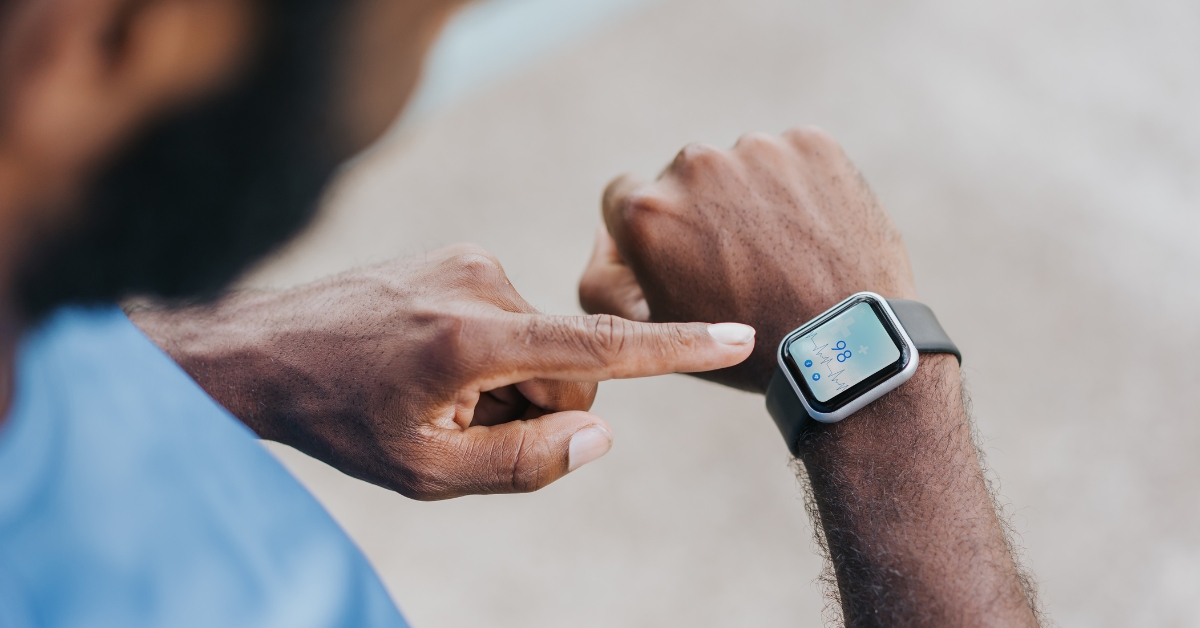
Your heart reacts faster than your thoughts. A tense email, a packed calendar, or a poor night of sleep can shift your pulse before stress fully registers. Those shifts form stress and heart rate patterns that quietly reflect how your body handles pressure, recovers, and adapts over time.
Modern health platforms make these signals visible instead of abstract. Continuous tracking turns daily reactions into usable insights, helping you connect lifestyle habits with real physiological feedback. The American Heart Association links long-term stress exposure to increased cardiovascular risk, driven in part by sustained heart rate changes. That makes understanding these patterns practical, not theoretical.
This guide explains how stress reshapes heart behavior, what the data means, and how tools like Hume Health translate complex signals into clear, personalized insight.
Understanding Stress and Heart Rate Patterns in Daily Life
Stress activates your nervous system within seconds. Once pressure appears, the brain signals the sympathetic nervous system, increasing heart rate and tightening blood vessels. Repeated exposure creates recognizable heart rate stress patterns that show up during workdays, social strain, or sleep disruption.
Short bursts of elevation are normal. Problems appear when heart rate stays high or recovery slows after stress passes. Over time, this can raise your resting baseline. Platforms like Hume Health collect stress response health data across full days and nights, making it easier to spot trends that single readings miss.
Common daily stress triggers include:
- Tight deadlines and multitasking
- Inconsistent sleep schedules
- Caffeine timing
- Emotional tension
Seeing how each factor affects heart rhythm builds awareness that supports better choices.
How Stress Effects on Heart Rate Show Up in the Body
Stress hormones drive most cardiac changes. Adrenaline increases heart rate quickly. Cortisol keeps it elevated when pressure lingers. These hormones shape both short-term spikes and long-term trends.
Research published in Frontiers in Psychology links prolonged cortisol exposure with reduced recovery efficiency and altered cardiac rhythm. This explains why chronic stress often shows up as higher resting heart rate and slower normalization after activity.
Typical stress-related heart responses:
|
Stress Type |
Heart Rate Change |
Recovery Pattern |
|
Acute mental stress |
Rapid spike |
Moderate |
|
Physical exertion |
Gradual rise |
Fast (with conditioning) |
|
Chronic stress |
Elevated baseline |
Slow |
| Sleep loss | Nighttime elevation | Poor |
Some clinicians emphasize genetic influence, while others highlight behavior. Most evidence points to an interaction between both.
What Stress and Heart Rate Variability Reveal About Resilience
Heart rate variability reflects how well your nervous system adapts. Higher HRV usually signals flexibility and recovery capacity. Lower HRV suggests strain or overload.
According to the National Institutes of Health, higher HRV correlates with improved stress tolerance and lower cardiovascular risk. That makes stress and heart rate variability a useful resilience marker rather than a simple fitness stat.
Higher HRV often reflects:
- Strong parasympathetic activity
- Efficient recovery
- Balanced nervous system signaling
Lower HRV often reflects:
- Ongoing mental load
- Inadequate sleep
- Limited recovery windows
Experts recommend tracking trends rather than reacting to daily fluctuations. Context gives meaning to the numbers.
Reading Heart Rate Stress Patterns Across Different Stressors
Different stressors leave distinct signatures in heart data. Mental pressure often causes sudden spikes with slower recovery. Physical exertion follows a more predictable rise and fall.
Common pattern examples include:
- Psychological stress: abrupt increases, reduced variability
- Exercise: controlled rise with post-activity recovery dip
- Sleep deprivation: elevated overnight heart rate
- Prolonged stress: flattened daily rhythm
Hume Health uses continuous monitoring to highlight these differences, helping separate healthy activation from prolonged strain.
Turning Stress Response Health Data Into Action
Data becomes useful only when translated into insight. Continuous platforms analyze trends against your personal baseline instead of population averages.
Many users discover unexpected stressors through pattern analysis, such as late meals affecting sleep recovery or specific work tasks driving delayed heart rate normalization.
Actionable outcomes often include:
- Identifying stressors with poor recovery
- Optimizing workout timing
- Improving sleep routines through HRV feedback
- Testing breathing or movement strategies and measuring response
This approach supports managing stress physiology using evidence rather than guesswork.
Practical Ways to Improve Stress-Related Heart Patterns
Small, consistent habits often shift heart patterns more effectively than drastic changes.
Evidence-backed strategies include:
|
Strategy |
Physiological Effect |
| Slow breathing (5–6 breaths per minute) |
Improves HRV |
| Zone 2 cardio |
Enhances recovery efficiency |
|
Regular sleep timing |
Stabilizes nighttime heart rate |
|
Magnesium-rich foods |
Supports cardiac signaling |
| Morning light exposure |
Resets circadian rhythm |
Results vary based on fitness level, age, and stress history. Gradual improvement remains the most common trajectory.
Limitations to Keep in Mind
Heart data provides guidance, not diagnosis. Hydration, illness, and sensor placement can influence readings. Emotional context also matters. Elevated heart rate does not automatically signal harmful stress.
Healthcare professionals recommend using wearable insights alongside medical advice rather than as a replacement.
Listening to Your Heart and Moving Forward
Your heart offers continuous feedback about how stress moves through your body. Learning to read those signals turns everyday experiences into useful health insight. With consistent tracking, patterns emerge that support smarter routines and better recovery.
Hume Health helps translate those patterns into practical guidance, connecting heart data with sleep, activity, and daily habits. If curiosity is growing, spend a week observing trends instead of single numbers. Small adjustments guided by real feedback often lead to lasting improvements in how your body handles stress.