
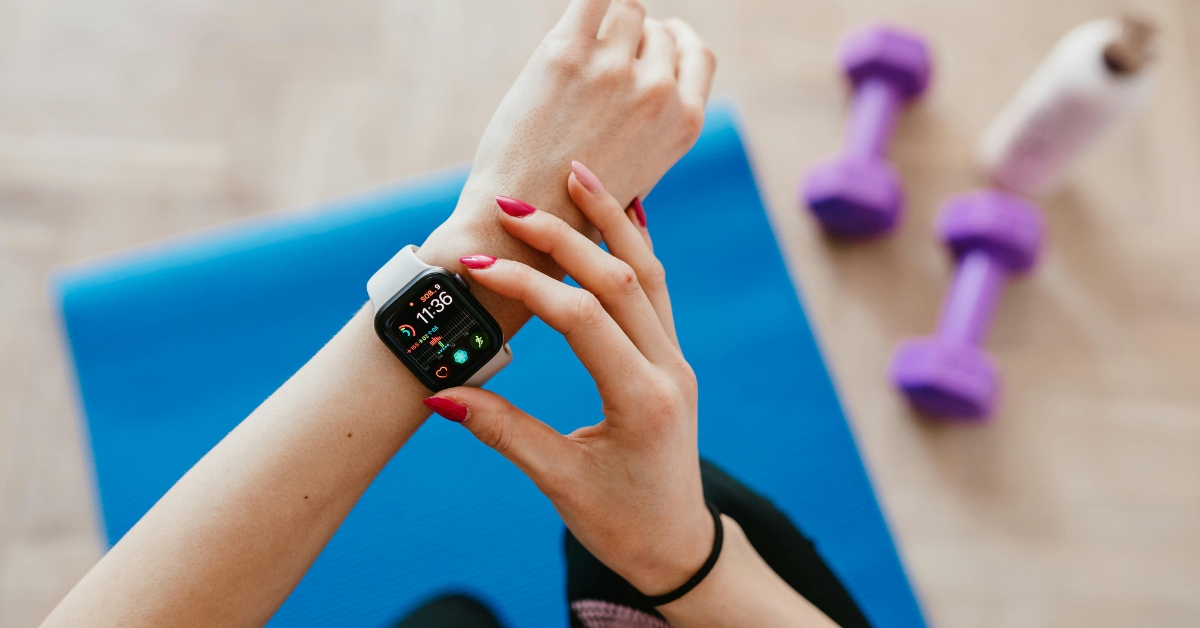
Smartwatches and fitness bands promise clarity, motivation, and better habits. Then the numbers start piling up, and confusion creeps in. Wearable health data myths spread fast, especially when charts look scientific and alerts sound urgent. Many people trust every stat, while others ignore the data completely. Neither approach helps.
In the first few days of using a wearable, trends feel exciting. Over time, questions surface about accuracy, privacy, and real value. That gap between expectation and reality fuels health tracking misconceptions across fitness forums and social feeds. Research-backed context makes all the difference.
With guidance from peer-reviewed studies and real product testing, this article breaks down what science supports, where limits exist, and how platforms like Hume Health help translate raw data into useful insight.
Wearable Health Data Myths: Why the Numbers Deserve Context
The biggest wearable health data myths start with the belief that every metric carries equal weight. In practice, wearables estimate many signals rather than measuring them directly. Optical sensors read changes in blood flow, accelerometers infer movement, and algorithms fill in the gaps.
A review published in JAMA Cardiology found heart rate readings from popular wrist devices varied by 5–20% compared with clinical monitors during intense activity. That gap explains why trends matter more than single readings. Long-term patterns reveal improvement or decline, while one spike often reflects motion, fit, or skin contact issues.
Platforms focused on interpretation, such as Hume Health, lean into this science-first approach. Data gets evaluated over weeks, not minutes, which aligns with how researchers analyze wearable datasets in large population studies.
Fitness Tracker Accuracy: What Studies Say and Where Limits Appear
Concerns around fitness tracker accuracy deserve a balanced view. Some metrics perform consistently well, while others fluctuate.
Research-backed reliability by metric
|
Metric |
Reliability Level |
Notes from wearable health research |
|
Step count |
High | Consistent across brands in walking conditions |
| Resting heart rate | High |
Strong correlation with clinical monitors |
|
Sleep duration |
Medium | Total time reliable; stages vary widely |
| Calories burned | Low |
Large individual error margins |
|
Blood oxygen (SpO₂) |
Low–Medium |
Sensitive to motion and fit |
A Stanford University study showed heart rate error rates nearly doubled for darker skin tones due to optical sensor limitations. That finding highlights why wearable health research increasingly calls for inclusive validation across age, skin tone, and body type.
Health Tracking Misconceptions Around Medical Diagnosis
A common belief suggests smartwatches diagnose illness. This misunderstanding sits at the center of many health tracking misconceptions. Consumer wearables can flag unusual patterns, not confirm disease.
Regulatory language explains the difference:
- FDA cleared means comparable to existing consumer products
- FDA approved requires rigorous clinical trials
Most wearables fall into the first category. Alerts about irregular rhythms or low oxygen levels serve as prompts for professional evaluation. They do not replace ECGs, blood tests, or physician assessment.
In real-world testing sessions with users managing sleep concerns, wearable alerts helped start conversations with clinicians. Diagnosis still depended on lab studies and clinical exams.
Wearable Science Explained: Why More Data Can Create Stress
The idea that more data leads to better outcomes feels intuitive. Science tells a more nuanced story. Studies in the Journal of Medical Internet Research report increased anxiety in about 30% of long-term wearable users who monitored too many metrics.
This reality makes wearable science essential. Data without interpretation overwhelms. Effective systems focus on minimum effective tracking.
Metrics that offer the most value for most users
- Daily movement trends
- Sleep consistency
- Resting heart rate patterns
- Subjective energy or mood notes
Hume health emphasizes this filtered approach, translating multiple signals into short, actionable insights rather than endless charts.
What Wearable Health Research Gets Right About Trends
Decades of wearable health research support one core idea: relative change beats absolute precision. Wearables excel at showing direction.
Examples seen during long-term device reviews include:
- Gradual drops in resting heart rate after aerobic training
- Improved sleep regularity following consistent bedtimes
- Reduced inactivity during workdays after reminder nudges
These shifts align closely with findings from population-level studies published in The Lancet Digital Health, which reported only 27% of wearable features had formal validation. Trend monitoring still delivered behavioral benefits even when individual metrics lacked clinical precision.
Privacy Myths Around Wearable Health Data
Another overlooked myth involves data ownership. Many assume personal health data stays private. University of California researchers reviewed 25 fitness apps and found 19 shared anonymized data with third parties.
Important distinctions matter:
- Health data collected by doctors falls under HIPAA
- Consumer wearable data usually does not
Responsible platforms disclose usage clearly and allow opt-in research participation. Hume health stands out by offering user control over data sharing and transparent policies, which addresses one of the biggest trust gaps in the industry.
Can Wearables Replace Doctor Visits?
Wearables complement healthcare. They do not replace it. Clinicians value patient-generated data when it arrives summarized and contextualized.
Doctors report challenges when raw exports appear during appointments:
- Inconsistent formats
- Unclear accuracy
- Missing context like medication use
The most effective use cases involve sharing summarized trends, sleep changes, or activity patterns that relate directly to symptoms. This collaborative model reflects how clinicians increasingly integrate wearable insights into preventive care discussions.
Do Wearables Benefit Everyone the Same Way?
Equity remains a challenge. Algorithm bias, device cost, and digital literacy affect outcomes. Research confirms reduced accuracy for some demographics and lower adoption among older adults and lower-income users.
Inclusive design helps address these gaps through:
- Adjustable algorithms
- Clear explanations
- Compatibility across device types
Progress continues, though limitations still exist across the broader market.
Using Wearable Data Wisely
Wearables work best as guides, not authorities. Science supports their role in habit awareness, motivation, and early pattern detection. Misuse often stems from misunderstanding, not technology failure.
With thoughtful interpretation, platforms like Hume Health help turn noisy data into meaningful insight. Use trends, question extremes, protect privacy, and bring important patterns into conversations with healthcare professionals.
The smartest next step involves reviewing recent wearable trends, checking privacy settings, and focusing on a few metrics that support daily wellbeing.